Cupping Lab
Discover the science and art of coffee tasting. Explore flavor profiles, learn brewing techniques, and unlock the full potential of every bean.
Flavor Profiles
Each coffee origin offers unique tasting notes. Our flavor wheels help you understand the complexity and intensity of different flavor characteristics.
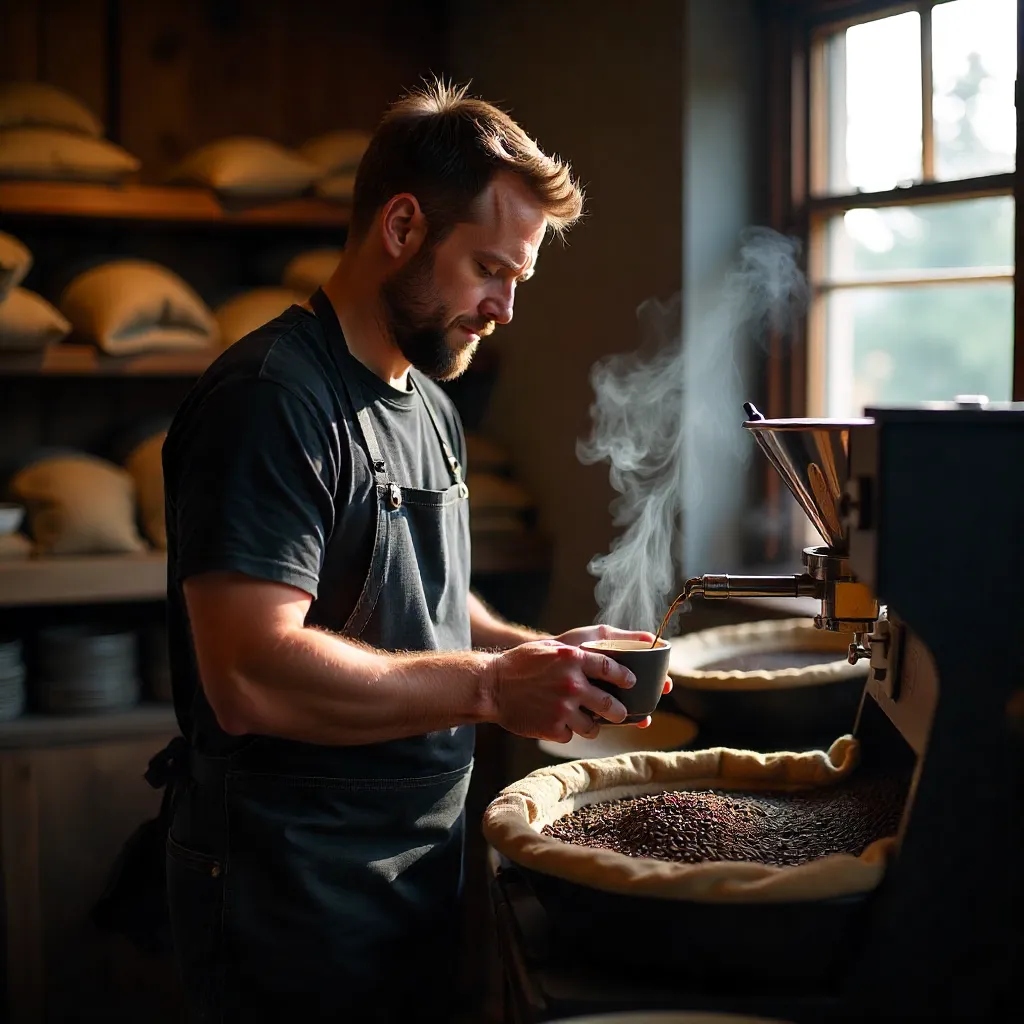
Ethiopian Yirgacheffe
Primary Notes: Bergamot, Jasmine, Lemon
Secondary Notes: Tea-like, Floral, Bright
Body: Light to Medium
Acidity: High, Citric
Finish: Clean, Lingering
This light roast showcases the delicate, tea-like qualities of Ethiopian coffee. The bright acidity and floral notes make it perfect for pour-over methods.
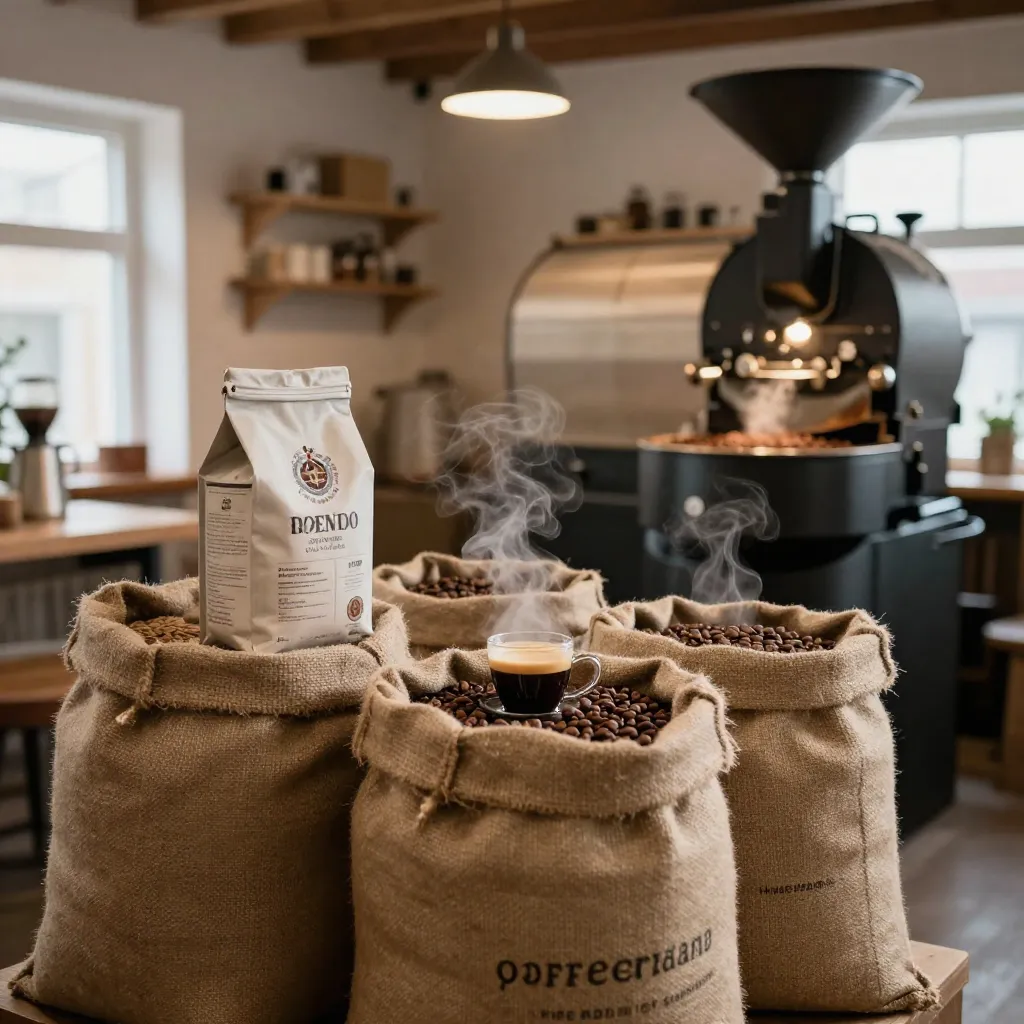
Colombian Supremo
Primary Notes: Caramel, Nuts, Apple
Secondary Notes: Chocolate, Brown Sugar, Balanced
Body: Medium, Smooth
Acidity: Medium, Malic
Finish: Sweet, Round
A well-balanced coffee with classic Colombian characteristics. The caramel sweetness and nutty undertones make it versatile for any brewing method.
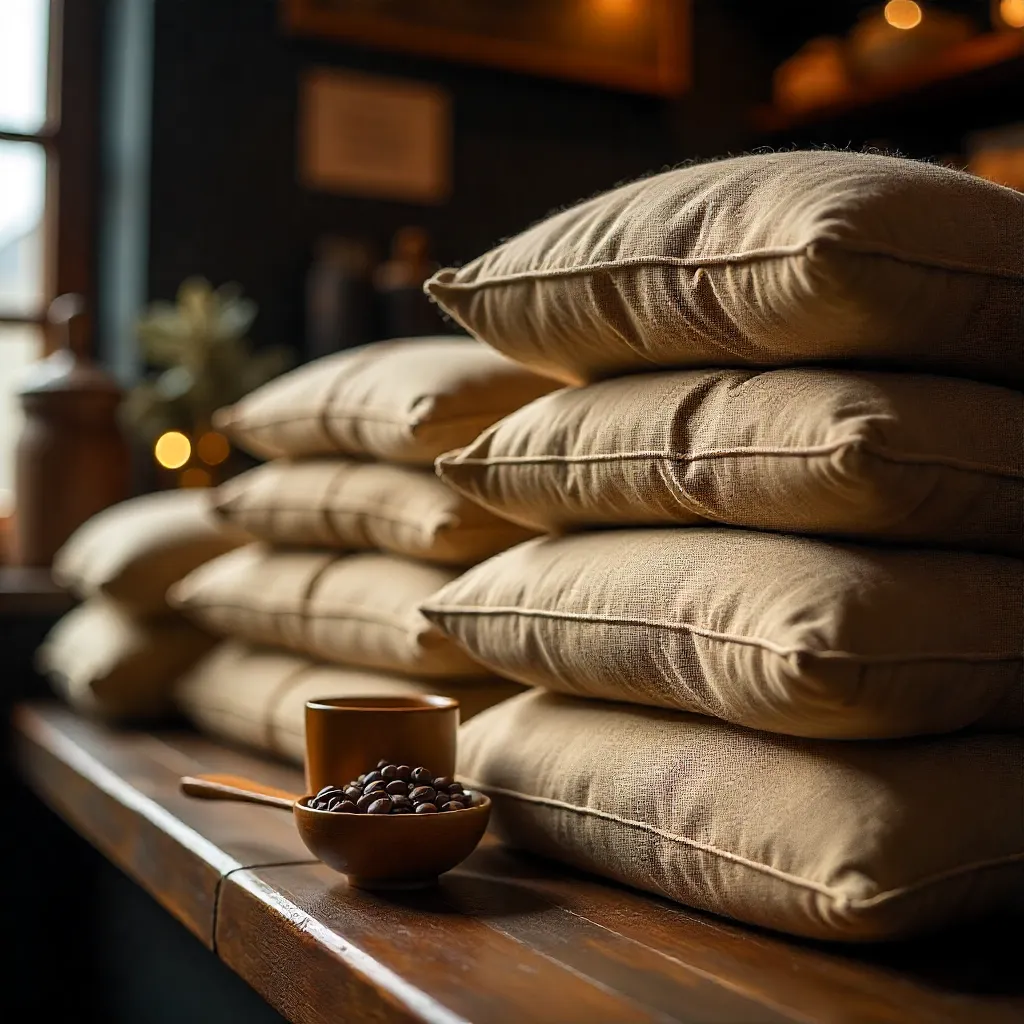
Nordic Blend
Primary Notes: Dark Chocolate, Roasted Nuts
Secondary Notes: Spice, Smoky, Full-bodied
Body: Full, Rich
Acidity: Low, Soft
Finish: Bold, Persistent
Our signature dark roast blend inspired by traditional Finnish coffee culture. Rich and bold with a smooth finish, perfect for espresso or strong filter coffee.
Brewing Guides
Master the art of brewing with our detailed guides. Each method brings out different characteristics in your coffee.
Chemex Method
Equipment:
- Chemex brewer
- Chemex filters
- Gooseneck kettle
- Scale and timer
Recipe:
- Heat water to 96°C (205°F)
- Rinse filter with hot water
- Add 30g medium-coarse ground coffee
- Bloom: Pour 60g water, wait 45 seconds
- Pour in circular motions to 500g total
- Total brew time: 4-5 minutes
Best for: Light to medium roasts, highlighting clarity and brightness.
V60 Method
Equipment:
- Hario V60 dripper
- V60 filters
- Gooseneck kettle
- Scale and timer
Recipe:
- Heat water to 93-96°C (200-205°F)
- Rinse filter and preheat V60
- Add 20g medium-fine ground coffee
- Bloom: Pour 40g water, wait 30 seconds
- Spiral pour to 300g in stages
- Total brew time: 2.5-3.5 minutes
Best for: Bright, complex coffees with pronounced acidity.
Espresso Method
Equipment:
- Espresso machine
- 18g portafilter basket
- Tamper
- Scale
Recipe:
- Heat machine to 93°C (200°F)
- Grind 18g coffee fine (like table salt)
- Distribute and tamp evenly
- Extract 36g espresso in 25-30 seconds
- Target ratio: 1:2 (18g in, 36g out)
Best for: Medium to dark roasts, full-bodied blends.
French Press
Equipment:
- French press (350ml)
- Coarse ground coffee
- Kettle
- Timer
Recipe:
- Heat water to 96°C (205°F)
- Add 25g coarse ground coffee
- Pour 350g water, stir gently
- Steep for 4 minutes
- Press slowly and serve immediately
Best for: Full-bodied coffees, emphasizing body and richness.
Understanding Flavor Wheels
Flavor wheels are visual tools that help describe coffee's complex taste profile. They organize flavors from general categories (center) to specific notes (outer edges).
How to read a flavor wheel:
- Center: Broad categories (fruity, nutty, floral)
- Middle: More specific descriptors (citrus, almond, jasmine)
- Outer: Precise notes (lemon, marzipan, orange blossom)
When cupping coffee, start from the center and work outward. Note the intensity of each flavor characteristic. This helps you understand what to expect and appreciate the complexity of specialty coffee.
Brewing Tips
Water Temperature
Water temperature dramatically affects extraction. Too hot (over 96°C) can cause bitterness. Too cool (under 90°C) results in under-extraction. Aim for 93-96°C for most methods.
Coffee Ratio
The golden ratio is 1:15 to 1:17 (coffee to water). For example, 20g coffee to 300-340g water. Adjust based on your taste preference—stronger or lighter.
Grind Size
Grind size should match your brewing method. Coarse for French press, medium for drip, fine for espresso. Fresh grinding is essential for best flavor.
Extraction Time
Brew time affects body and flavor. Shorter times (2-3 min) yield brighter, lighter coffee. Longer times (4-5 min) create fuller body but risk bitterness.